
01 Jan, 2026
The Silent Guardians: How Biological Indicators Prove Sterilization Works
Imagine you need to sterilize a delicate piece of medical equipment, like a robotic surgery arm. You can't use intense heat, so instead, you use a method that feels like a high-tech fog: vaporized hydrogen peroxide (VHP). But how can you be absolutely sure that every single germ is gone? This is where a tiny but mighty tool comes in: the biological indicator.
What is a Biological Indicator?
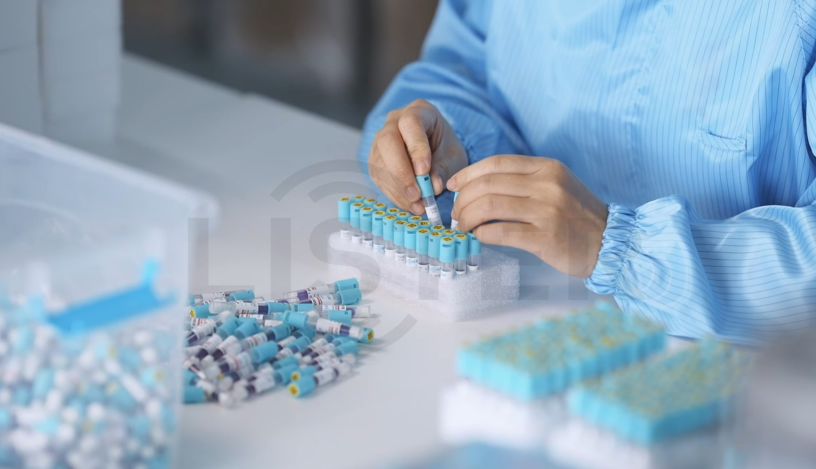
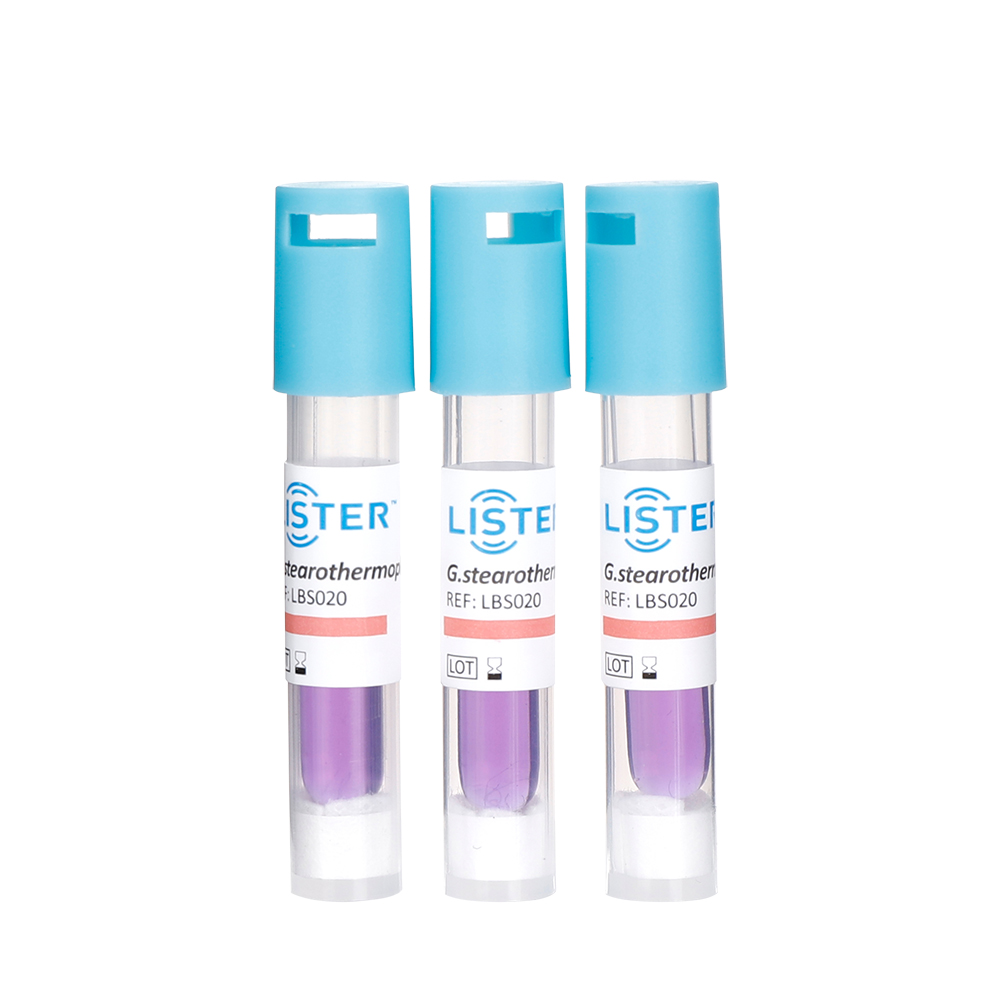
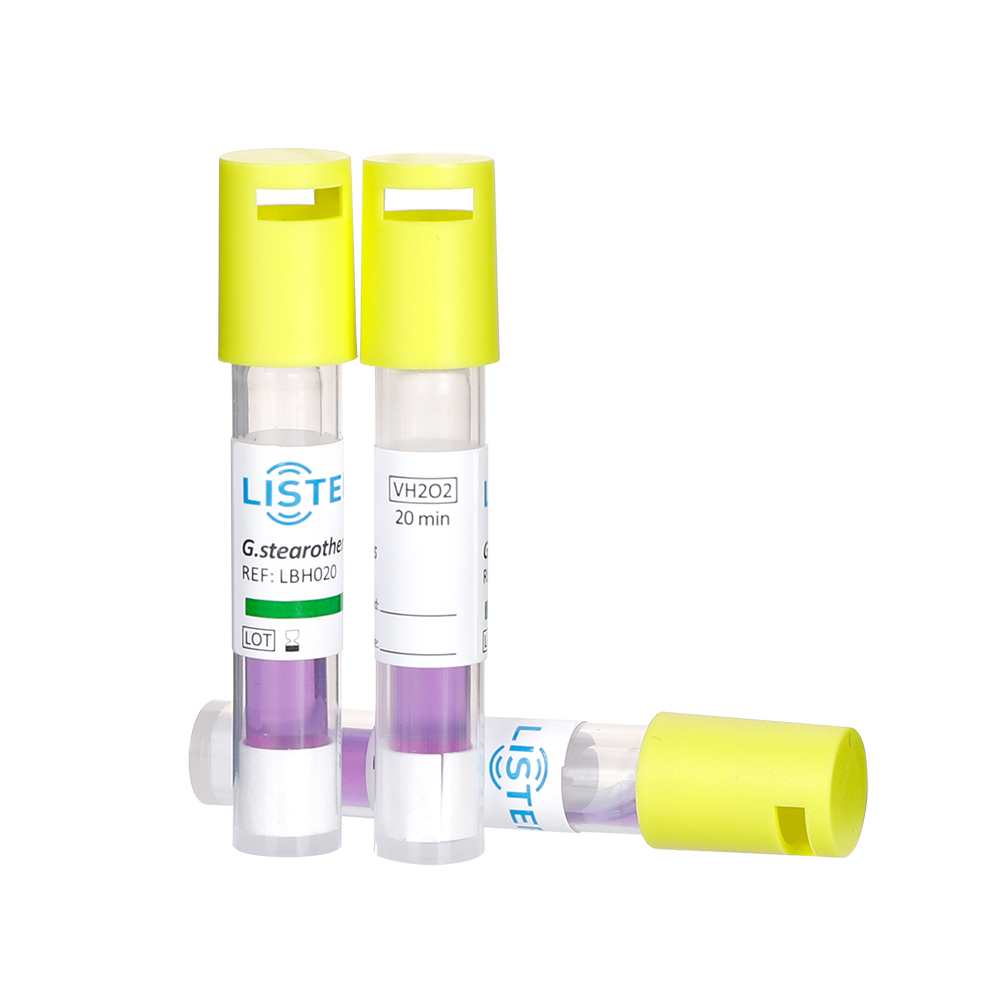
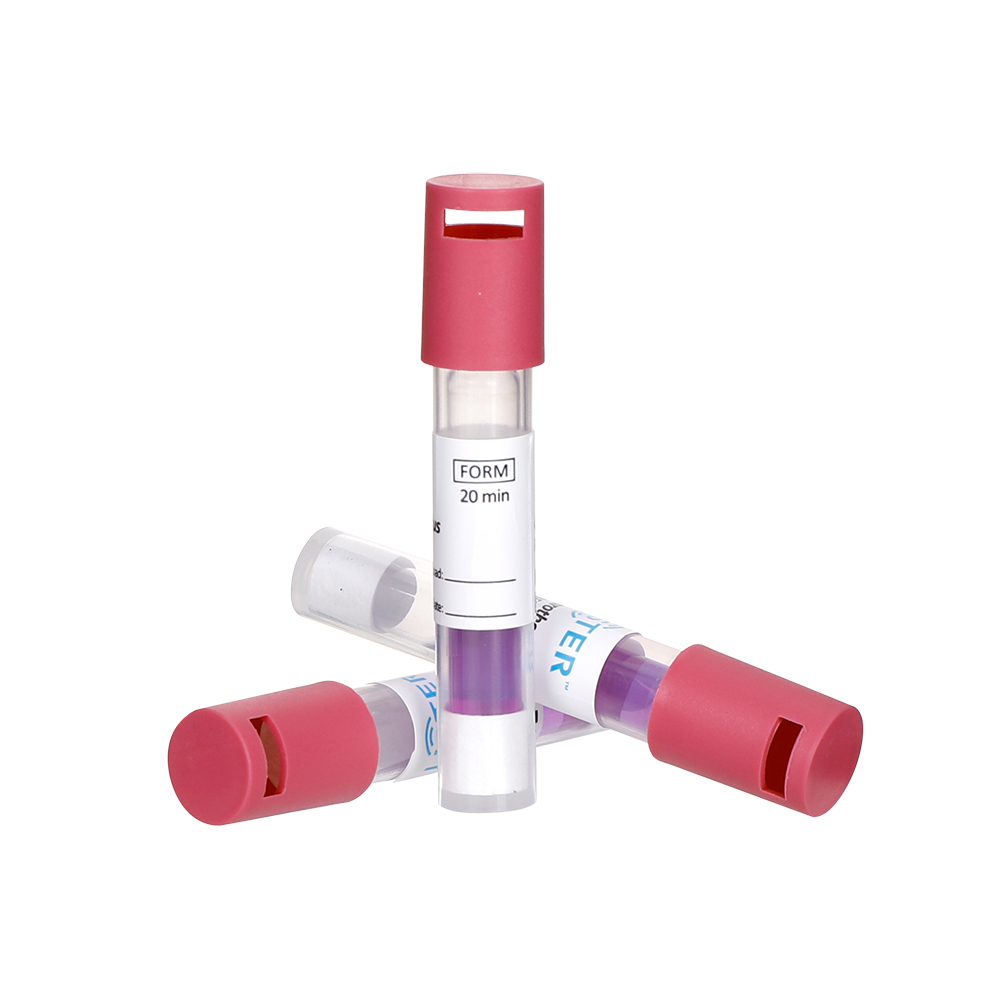
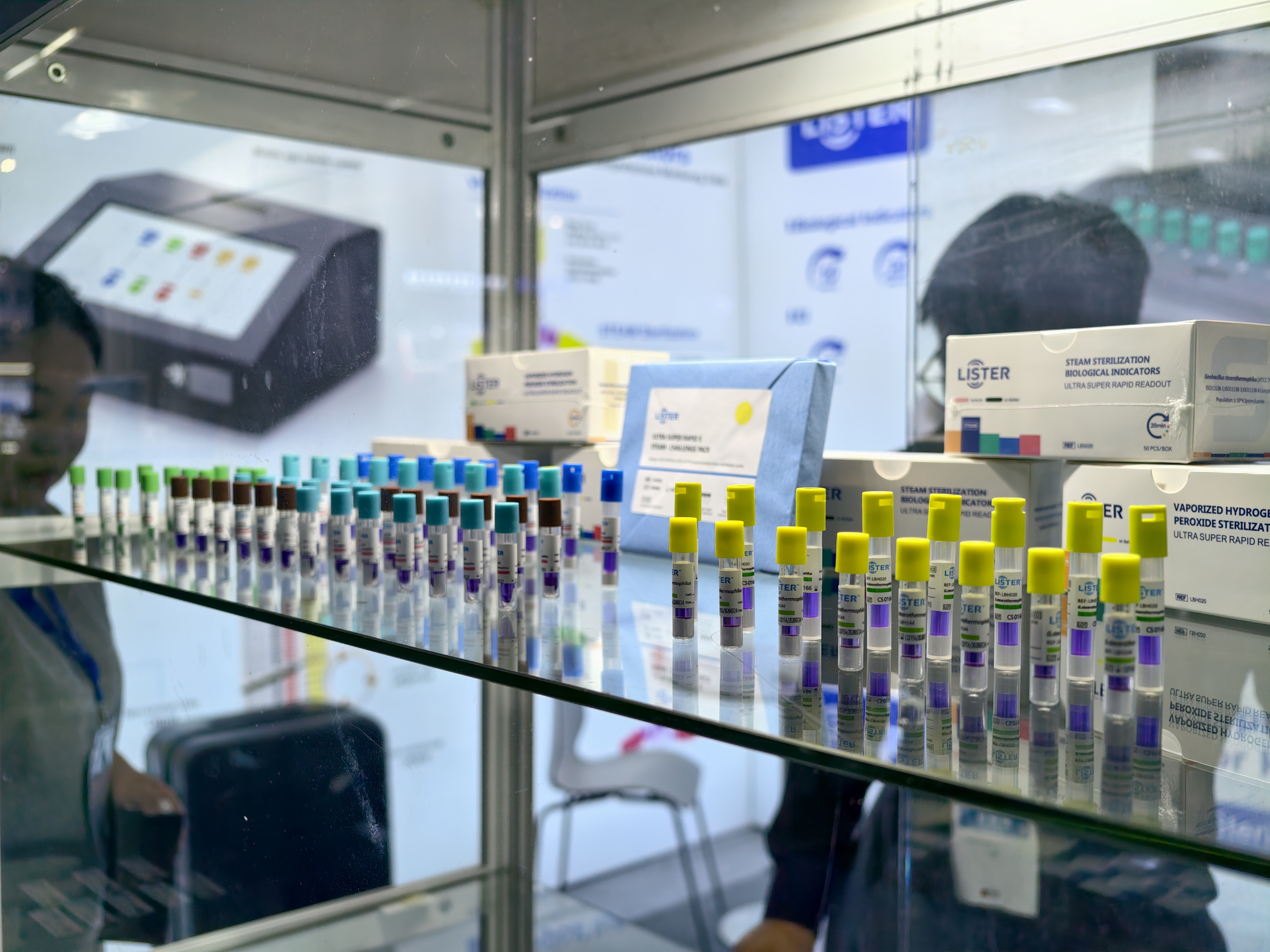
Think of a biological indicator (or BI) as a "challenge test" for your sterilization process. It's a small device containing a high number of specially selected, highly resistant bacterial spores—most commonly Geobacillus stearothermophilus. These spores are like the ultimate survivalists; they are much harder to kill than everyday bacteria and viruses. If the sterilization process can defeat these tough spores, you can be confident it has eliminated all less-resistant contaminants.
The Vapor Phase Hydrogen Peroxide Process
VHP sterilization is a popular method for sensitive environments like pharmaceutical labs, hospital rooms, and spacecraft assembly areas. It works by turning liquid hydrogen peroxide into a dry, cold vapor gas. This vapor spreads like a fog, penetrating every nook and cranny of a chamber or room, and attacking microorganisms on a molecular level, breaking them apart.
Connecting the Two: Proving "Process Lethality"
This is where the magic happens. "Process lethality" is just a technical term for a simple idea: the proven ability of a process to kill microorganisms.
We place the biological indicators—our team of tough bacterial spores—in the hardest-to-reach spots inside the sterilization chamber. Then, we run the VHP cycle.

After the cycle is complete, we take the BIs out and put them in a growth medium. We then wait to see if anything grows.
If the spores are dead (no growth): The BI has passed the test. It proves that the VHP process delivered a lethal dose of sterilant everywhere it was needed. The process lethality is confirmed.
If the spores grow: The BI has failed. This is a clear signal that the sterilization cycle wasn't strong enough. Perhaps the hydrogen peroxide concentration was too low, the exposure time was too short, or the vapor didn't reach that spot. The process needs to be adjusted and re-validated.
In short, biological indicators don't just suggest that sterilization might have worked; they provide direct, living proof that it did work. They are the silent guardians that turn a "hopefully sterile" environment into a "scientifically proven sterile" one, ensuring safety in our most critical industries.

Tags: